If a rock skipped up on I-74 and left a star in your windshield, you can probably still get to work. If that star splinters into a crack creeping across your sightline, you have a safety problem that needs attention right away. In High Point, mobile auto glass services bridge that gap between urgent repair and everyday life. A qualified technician brings the shop to your driveway or office lot, handles everything from chip repair to advanced driver assistance system recalibration, and gets you safely back on the road with minimal disruption. The challenge is knowing what “qualified” truly means.
What follows is a working checklist, built from years fielding calls in Guilford County and showing up on site with the right adhesives, scanners, and glass. Use it to evaluate any provider that says they do High Point auto glass repair, and to understand your options before you book.
Safety first: what’s at stake with glass work
A windshield is a structural member, not just a clear barrier to wind. On most vehicles built in the last ten years, the windshield carries 30 percent or more of the cabin’s roof-crush strength and works with airbags to manage energy in a collision. If it is bonded with the wrong urethane, installed without proper primers, or driven too soon after installation, the glass can separate when you need it most. That’s why the best shops in and around High Point treat every job like a safety-critical procedure rather than a cosmetic fix.
This is also why you will hear careful technicians talk about cure times, pinch weld corrosion, bead thickness, and lot numbers on urethane tubes. These details translate to how your vehicle behaves in a crash or during a deer strike on NC-68 after dusk.
When mobile service is the right call, and when it is not
Most glass jobs adapt well to mobile service. Chips and small cracks, side window replacement, back glass with a defroster grid, and many windshield replacements can be performed curbside if weather and lighting cooperate. There are edge cases. Heavy rain, blowing dust, or subfreezing temperatures can ruin an adhesive bond. Certain ADAS calibrations demand a controlled environment with level floors and repeatable lighting. If a technician declines to perform a job mobile due to conditions, take that as a sign of professionalism rather than a dodge.
As a rule of thumb, say yes to mobile service when the forecast gives you a dry window of a few hours and your driveway is reasonably level. If you live under a canopy of pine trees that shed needles nonstop, ask for a shop appointment or a mobile team with a portable canopy. For complex European models and newer pickups stuffed with sensors, expect the technician to discuss calibration requirements before confirming a mobile slot.
The core of a sound windshield replacement
Windshield replacement in High Point runs the gamut from straightforward SUVs with common bonding profiles to luxury sedans with rain sensors, humidity sensors, and cameras integrated at the glass. Regardless of vehicle, the process should read like a disciplined sequence, not a rushed swap.
A competent tech starts by protecting paint and interior trim, then removes wipers and moldings without gouging the cowl. The old urethane bead is cut carefully to avoid damage to the pinch weld. If corrosion is present, it is addressed on the spot with approved rust treatments and primers, or the job is rescheduled to prevent a bad bond. The new glass is dry-fitted to confirm tolerances. Primers go on both the glass ceramic band and any bare metal per the urethane manufacturer’s spec sheet. Only then is a single, continuous bead laid with the correct V-notch, and the glass is set once, cleanly, with even pressure. Topping up urethane or moving the glass after placement can compromise adhesion.
Expect the installer to cite a safe drive-away time. The cure depends on the urethane chemistry, humidity, and temperature. In North Carolina heat, many premium urethanes reach airbag-safe strength in roughly an hour. In cooler weather, two to four hours is more realistic. If a tech tells you five minutes, find another shop.
High Point-specific realities: weather, roads, and parts availability
Central North Carolina’s climate creates two practical hurdles. Summer humidity accelerates cure, which is helpful, but sudden storms can dump rain on a fresh bead. Professional mobile teams carry canopies and moisture meters for this reason. Winters are mild, yet nocturnal lows can drop enough to slow cure overnight. When scheduling, ask whether the urethane selected is temperature-rated for the day you book.
Road conditions also matter. US-311 and country routes feeding High Point see frequent aggregate and construction debris in certain seasons. Local technicians learn the pockets where chip repairs surge and stock more resin and polishing pads accordingly. Glass supply can be tight for specific trims with acoustic laminates, tint bands, or heads-up display zones. If you drive a trim with a narrow windshield variant, expect a transparent lead time conversation. A shop with strong supplier relationships can usually get OEM or high-quality aftermarket glass within a day or two, but exotics and older vehicles can stretch to a week.
What to ask before you book mobile auto glass in High Point
There are a handful of questions that separate marketing from mastery. They do not have to sound adversarial. Ask plainly, and listen for technical clarity rather than sales gloss. A tech who answers with specifics is more likely to execute with care on your driveway.
- Which glass brand will you install, and is it OEM, OEM-equivalent, or aftermarket? For vehicles with heads-up display, acoustic interlayers, or rain sensors, mismatched glass can cause ghosting, noise changes, or sensor errors. What urethane brand and cure time do you use for this vehicle and forecast? Safe drive-away matters. A quality urethane with the right primer system is non-negotiable. Will you scan the vehicle before and after service, and do you perform or sublet ADAS calibration in High Point? If the windshield houses a camera, calibration is usually required. This is not a guess-and-go step. How do you protect paint and trim during removal, and what is your plan if rust is found on the pinch weld? Good shops carry body protection kits, rust converters, and will not bury corrosion under urethane. What warranties cover workmanship, leaks, stress cracks, and calibration?
Those five cover 90 percent of what matters. Add insurance handling to the conversation if you plan to file a claim, since direct billing saves time and missteps.
A practical checklist to use on the day of service
Use this field checklist as the tech arrives, and you will either relax with confidence or catch issues early.
- Confirm glass part number and features against your original: shaded band, acoustic layer, camera bracket, rain sensor mount, and defroster connections if applicable. Ask to see urethane expiration dates and primer bottles. Expired chemicals are a red flag. Ensure the vehicle is parked on a level surface with enough clearance for doors and hood. Clear the dash and front seats. If ADAS calibration is required, verify whether it is static, dynamic, or both, and where it will be performed. For dynamic, confirm route and traffic conditions the tech needs. Before handoff, verify rain sensors, lane departure alerts, forward collision warnings, and auto high-beams function after calibration.
If you feel like you need an engineering degree to follow this, remember that you are not trying to supervise each move. You are establishing that your installer works with method and transparency.
The nuance of ADAS calibration in High Point
Many drivers hear “calibration” and picture a quick reset through a tablet. The reality is more exacting. ADAS calibration High Point providers handle two types: static and dynamic. Static calibration uses targets on stands placed at precise distances and heights in front of the vehicle on a level surface with known lighting. Dynamic calibration requires driving the vehicle at steady speeds on well-marked roads while a scan tool monitors the camera’s ability to identify lane lines and objects. Some vehicles require both procedures after windshield replacement.
Why does this matter? The camera’s angle relative to the glass is measured in tenths of a degree. If the glass sits a millimeter high on one side, your lane-keeping assist might pull subtly to the wrong side. Good shops measure glass position and bracket alignment during installation, then calibrate to the manufacturer’s spec. Expect the technician to print or email a calibration report showing pass or fail for each system. If they cannot provide documentation, consider that a gap in the process.
Also note the environmental needs. A downtown High Point street with patchy lane paint will not satisfy dynamic calibration standards for many models. Skilled teams know road segments that deliver consistent results and plan routes accordingly. When weather interferes, a responsible provider reschedules rather than improvises.
Chips, cracks, and the judgment call
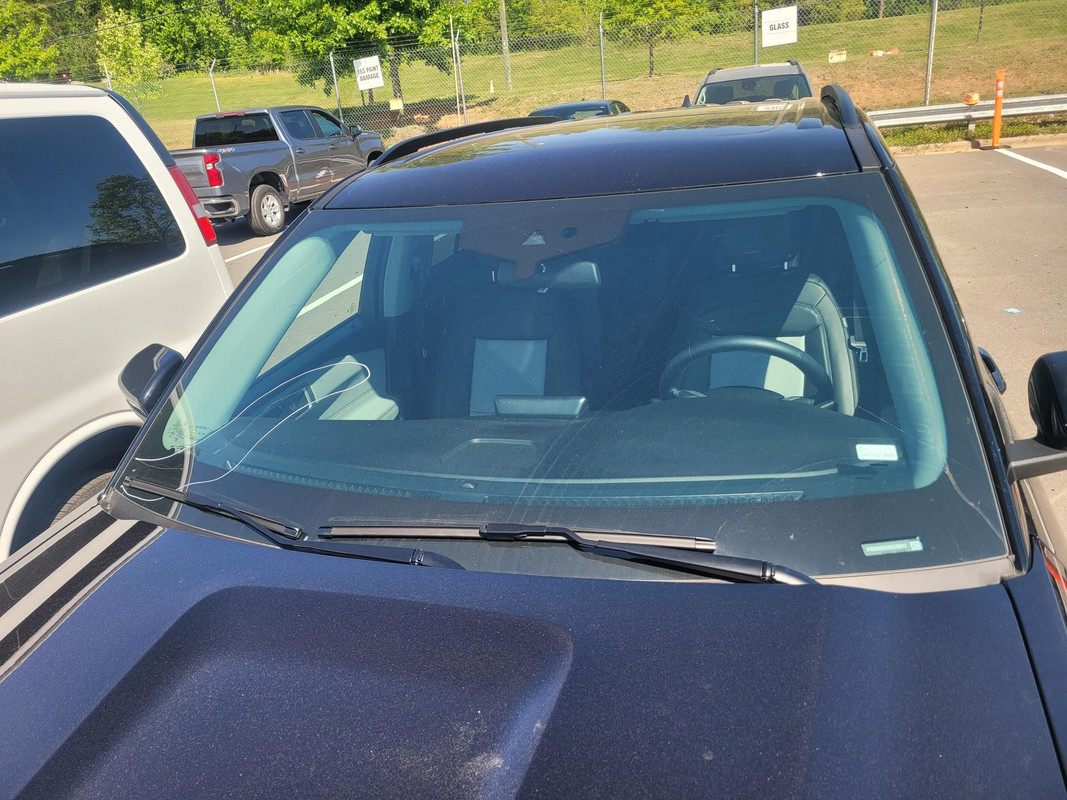
Repair versus replace boils down to size, location, and structure. A chip smaller than a quarter, outside the driver’s direct field of view, and not penetrating the inner laminate usually repairs well. Resin injection restores strength to about 80 to 95 percent, depending on the break type. A crack over six inches, a star directly in the driver’s primary view, or multiple impacts clustered together often calls for replacement. The reason is not just aesthetics. Optical distortion from a repaired break in the driver’s view can strain eyes and impede recognition at night.
If you call for High Point auto glass repair and the technician recommends replacement, ask them to shine a line light across the damage. You will see the distortion that cannot be eliminated. That quick demonstration builds trust and understanding on the spot.
Side window replacement and why it feels different
Side windows are tempered, not laminated, on most vehicles. When they break, they shatter into pellets that spill everywhere. Mobile service for side window replacement in High Point is less about adhesives and more about containment and door mechanism access. A prepared tech arrives with door panel tools, a shop vac, and new clips. They clear the door cavity of glass, inspect the regulator and tracks, and install the new window with felt guides aligned to prevent scratching. Watch for a tech who warns you not to run the window up and down repeatedly right away. Fresh lubricant and alignment benefit from a quiet day to settle.
One more note on side windows: aftermarket can be acceptable here, but the tint and green/blue hue should match the remaining windows. Mismatched glass will nag at you every time you check the mirror in sunlight.
Insurance, costs, and realistic timelines
Most comprehensive insurance policies in North Carolina cover glass, often with separate deductibles. Some carriers waive the deductible for repairs but not replacements. If you plan to file a claim, ask whether the shop has direct billing arrangements. This saves you from paying out of pocket and waiting for reimbursement.
As for costs, windshield replacement in High Point for a common sedan with no ADAS typically lands in a few hundred dollars. Add heads-up display, acoustic interlayers, rain sensors, and a camera, and you can reach into the high hundreds or more, especially with OEM glass. Side window replacement usually costs less than a windshield, but regulators or clips damaged during the break can add parts cost. Mobile service fees are often included, not extra, because shops build that into their operating model. If a quote is suspiciously low, ask which glass and urethane brands are included and whether calibration is part of the price.
Time on site varies. A chip repair takes around 30 minutes. A basic windshield replacement with a one-hour safe drive-away time takes about 90 minutes on site. Add static calibration, and you might spend two to three hours start to finish. If a mobile team promises a 20-minute windshield swap with full ADAS reset, something is off.
OEM versus aftermarket glass, an honest take
This debate gets heated. Here is the practical view. OEM glass guarantees match to factory specs, including acoustic performance, optical clarity, and bracket placement. That matters most for vehicles with unique features such as heads-up display, intricate camera brackets, or laminated side glass. Quality aftermarket glass from reputable manufacturers often performs indistinguishably in vehicles without those features. The problems arise with low-end aftermarket panels that use different curvature or have thicker frit bands, which can interfere with sensor placement and rain sensor gel pads.
For windshield replacement High Point drivers who rely heavily on ADAS, ask whether the shop has seen successful calibrations with the specific aftermarket brand on your model. A well-informed yes is worth more than a generic assurance.
How weather and worksite conditions affect the bond
Adhesive chemistry reads the environment. High humidity speeds moisture-cure urethanes, but puddling water on a fresh bead causes failure. Cold slows cure and increases viscosity, which affects bead shape and wet-out. Wind carries debris that contaminates primer and bead. A careful mobile installer uses infrared thermometers, substrate temp checks, and portable heaters or AC to stabilize cabin glass temperature within a safe range. If you see a tech warming the glass edge on a chilly morning before priming, that is not theater. It helps primer flash correctly and improves bond reliability.
Site cleanliness matters too. Parking your car under a shedding crepe myrtle while the tech fights falling petals is asking for inclusions in the bond line. A clear, paved area beats decorative gravel or a grass patch for this reason.
The post-installation routine drivers often skip
Once the glass is in and the paperwork signed, a few small habits protect the new bond and your sanity. Leave painter’s tape in place for the first day. It guides you not to slam doors with windows fully closed, which can pressure-pop a fresh bond. Avoid high-pressure car washes for at least 48 hours. If your vehicle uses a rain sensor, do not peel or reposition the gel pad yourself. If you notice wiper chatter or a skip arc, call the shop rather than improvising adjustments. Wiper arm position often changes when wipers are removed, and a quick technician visit corrects the park angle without chewing through your new glass.
For vehicles with ADAS, observe the first drive with heightened attention. If the lane departure arrow or distance control behaves differently, note it immediately. Calibration reports help, but your real-world feedback closes the loop.
Red flags that suggest you should reschedule or choose another provider
You do not need a trade card to spot an avoidable mistake. Certain behaviors reliably predict trouble. If the tech arrives without glass protection gloves or fender covers, plan to reschedule. If they intend to reuse a deformed molding that should be replaced, ask why. If they avoid discussing safe drive-away time or calibration altogether, end the appointment politely. Conversely, if a tech postpones due to wind or rain, thanks are in order. Good work depends on good conditions.
Why mobile service suits High Point drivers
Between shifts at the furniture market, school drop-offs, and commutes to Greensboro or Winston-Salem, High Point schedules do not leave much slack. Mobile auto glass High Point providers solve real problems by taking the work to your calendar. Done right, you do not lose a day, you do not compromise safety, and your insurance claim is handled while you answer emails at the kitchen table. The field is mature enough now that you can demand high standards from a mobile crew and get them.
Bringing it all together: a smart path from crack to cure
The fastest route back to a safe, quiet cabin is not always the cheapest or the soonest. It is the one where the glass matches your vehicle’s needs, the urethane suits the weather, and the calibration Mobile auto glass High Point meets the manufacturer’s tolerance. Start by calling two or three reputable shops that serve High Point. Ask the five questions listed earlier. Weigh clarity and completeness of answers over speed. If your vehicle requires ADAS calibration, verify who performs it, where, and how documentation is delivered. Schedule mobile service if conditions allow. Park in a clean, level area with room to work. Confirm safe drive-away time before the tech leaves. And give the car a few days to settle in before a high-pressure wash or a road trip up to the mountains.
Handled with that mindset, High Point auto glass repair becomes routine, not a gamble. Your windshield sits tight, your sensors read the road, and your day keeps its shape. That is the standard worth insisting on, whether you drive a base model commuter or a camera-laden flagship.